Cable Technology
Cable Testing FAQ: Fire, Tension and Transmission Performance
Created on 2026.10.22
Cable quality is confirmed long before a cable reaches the site: it is proven in the laboratory under controlled mechanical, thermal and electrical stress. Buyers often receive test data without knowing what each result actually demonstrates. This FAQ answers the six questions that come up most often in routine cable inspection, and explains the acceptance criteria a purchasing team can apply to any test report.
Common Questions on Cable Inspection
1. Why is a fire (flame) test performed on cables?
A flame test simulates the fire conditions a cable may face inside a riser, tray or duct. The purpose is not only to see whether the cable burns, but to measure how far flame travels, whether it self-extinguishes, and how much smoke and corrosive gas it releases. A cable that passes should stop burning within a defined time after the ignition source is removed, and the charred length must stay inside the marked limit. For projects with strict evacuation requirements, low-smoke zero-halogen (LSZH) behaviour is checked in the same test. Always confirm the test standard and the burn duration used.
2. What problems do vertical tension and bending tests expose?
A vertical tension test pulls the cable under a defined load to verify that the conductor and insulation do not slip, stretch or separate. A bending test cycles the cable around a mandrel to check that the sheath does not crack and the core stays intact. Together they expose weak tensile strength, poor adhesion between layers, and brittle compounds that pass a static check but fail once the cable is installed and pulled through conduit. Watch for any change in diameter, visible cracking or conductor displacement. These defects rarely appear in a simple continuity check, which is why mechanical tests are run before shipment.
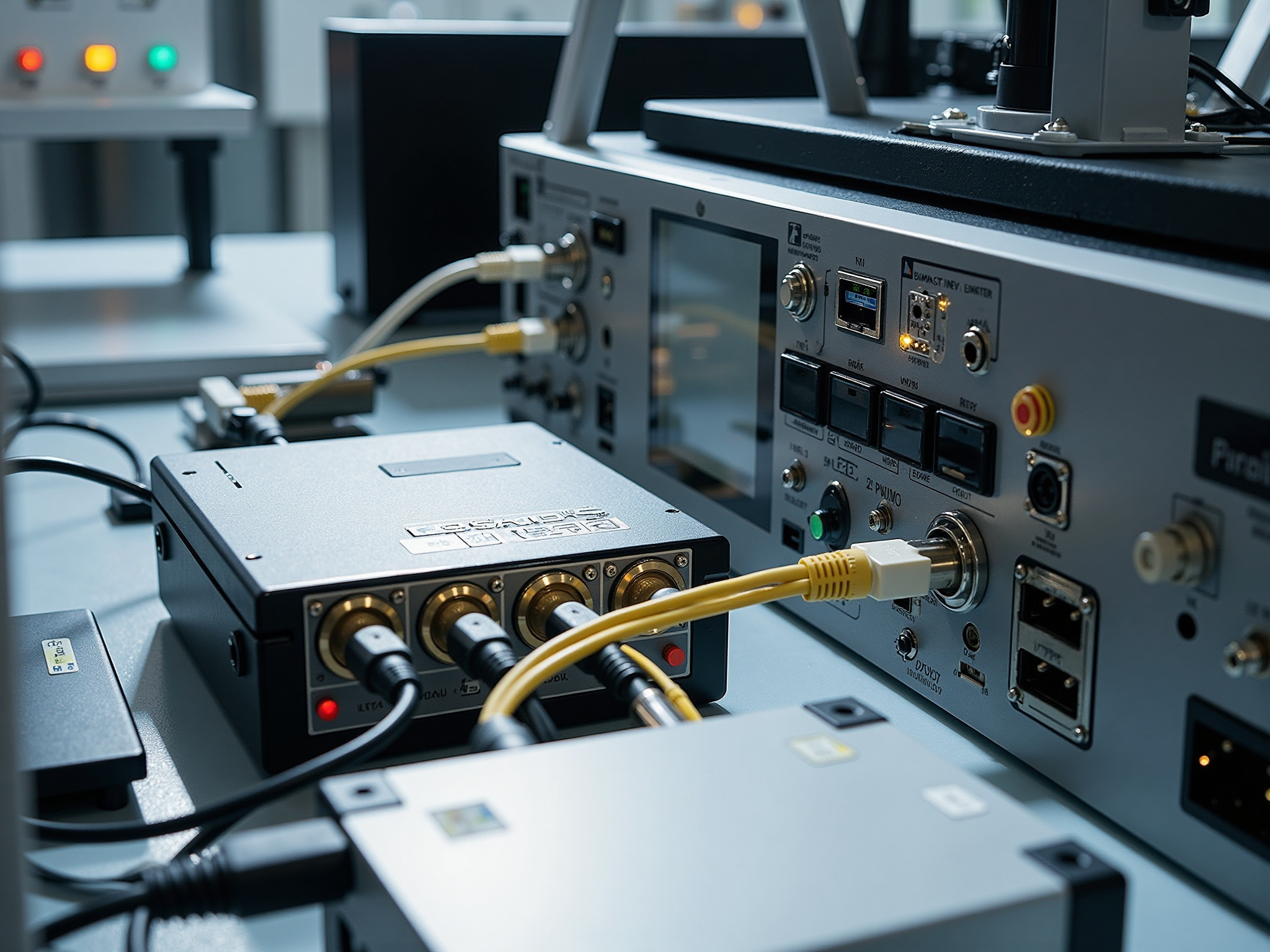
3. How should a voltage withstand (hipot) result such as the 6000V class be interpreted?
A voltage withstand test applies a high voltage, such as the 6000V class, between conductor and earth for a fixed period to prove the insulation can survive transient overvoltage without breakdown. Passing means no flashover, no leakage beyond the specified limit and no insulation damage after the test. The number alone is not meaningful: you must know the applied voltage, the duration (typically five minutes), the leakage current limit and whether AC or DC was used. A 6000V result on a short sample does not guarantee the same margin on a full production length, so the sample length matters.
4. What does a FLUKE test report actually prove?
A FLUKE test report records the electrical performance of a finished link: length, wire map, propagation delay, delay skew, attenuation and near-end crosstalk against the chosen category limit. It proves that the installed link met the standard at the moment of testing, not that every cable in the shipment will. To read it properly, check the test limit selected, the tester calibration date, the link length and the number of links actually tested. A clean pass on a handful of permanent links is useful evidence, but it should be matched against the sampling plan before it is treated as a shipment-wide guarantee.
5. How do you decide between sampling inspection and 100% inspection?
Choose sampling when the process is stable and the batch is homogeneous; choose full inspection when the cable is safety-critical, the application is high-voltage, or a previous batch has shown defects. A practical rule is to tighten sampling after any non-conformance and to require 100% testing for fire performance and hipot on projects where failure would be dangerous. Document the batch size, the sampling frequency and the acceptance number in advance. Random selection is essential: samples taken from the top of a reel do not represent the coils underneath, so define how and where the samples are drawn.
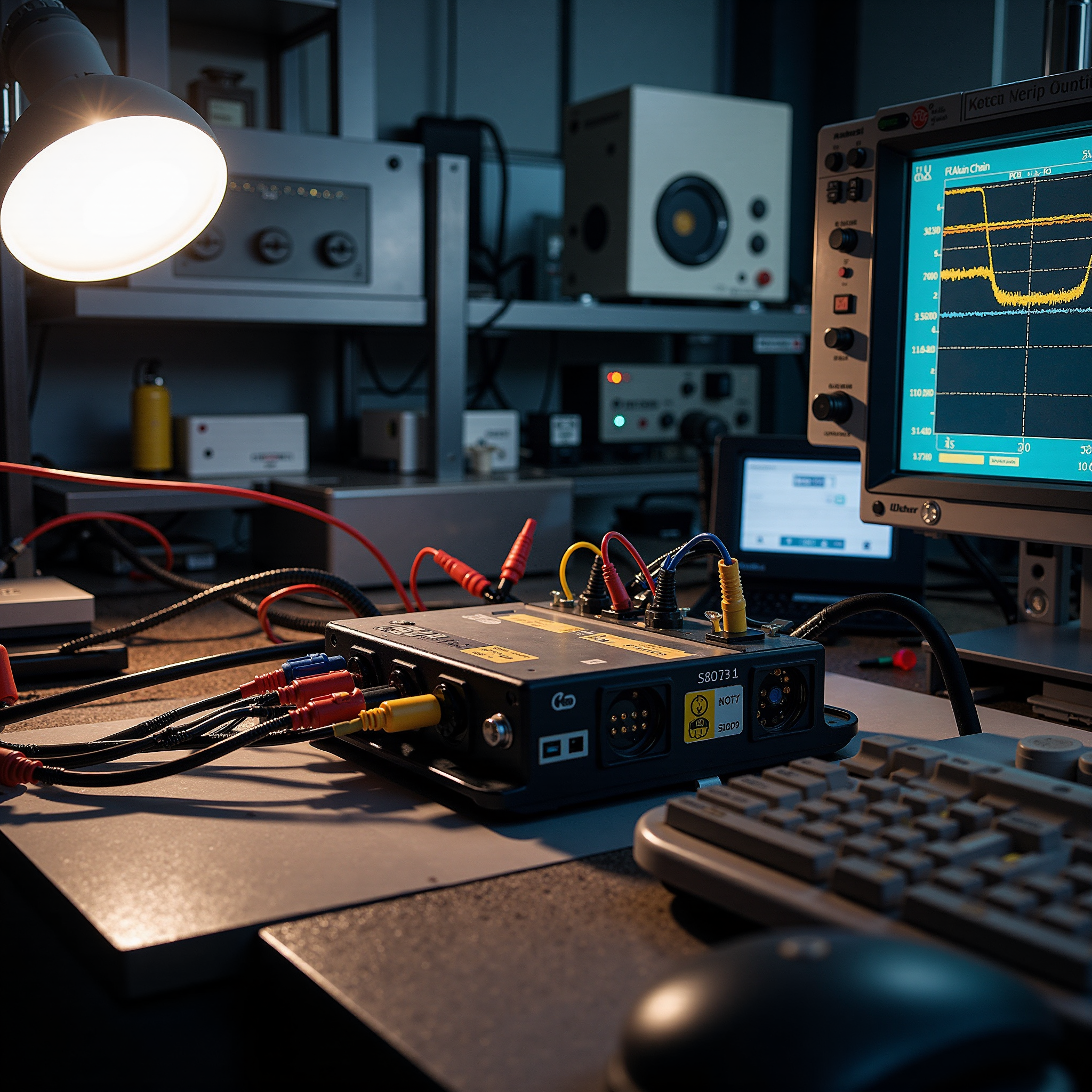
6. What should be done when a test fails?
When a test fails, do not simply reject the reel and move on. First isolate the failure mode: mechanical, thermal or electrical. Quarantine the affected batch and trace it back to the production lot and raw material supplier. Ask for a root-cause analysis and a corrective action plan, then re-test after the fix rather than accepting a verbal assurance. If the failure appears in the fire or hipot test, treat the whole lot as suspect until proven otherwise. Record the failure and the resolution, because a repeat defect from the same source is a supplier-quality signal, not an isolated accident.
What to Ask for in a Test Report
For purchasing teams, the report is only as useful as the questions asked around it. A report that says only “pass” without context cannot support a purchase decision; a credible supplier will provide the conditions behind every result. Before accepting any test data, confirm that it answers the following points.
- The test standard applied and the acceptance criteria used.
- The sample size, and how and where the samples were drawn from the batch.
- The test environment — temperature, humidity and the tested line or length.
- The instrument calibration record and the date the test was performed.
- Raw measurement data rather than a summary stamp, covering the exact construction and length being delivered.