Cable Technology
CAT5A Ethernet Cables: Benefits & Comparisons Explained
Created on 2026.10.22
What Is a CAT5A Ethernet Cable?
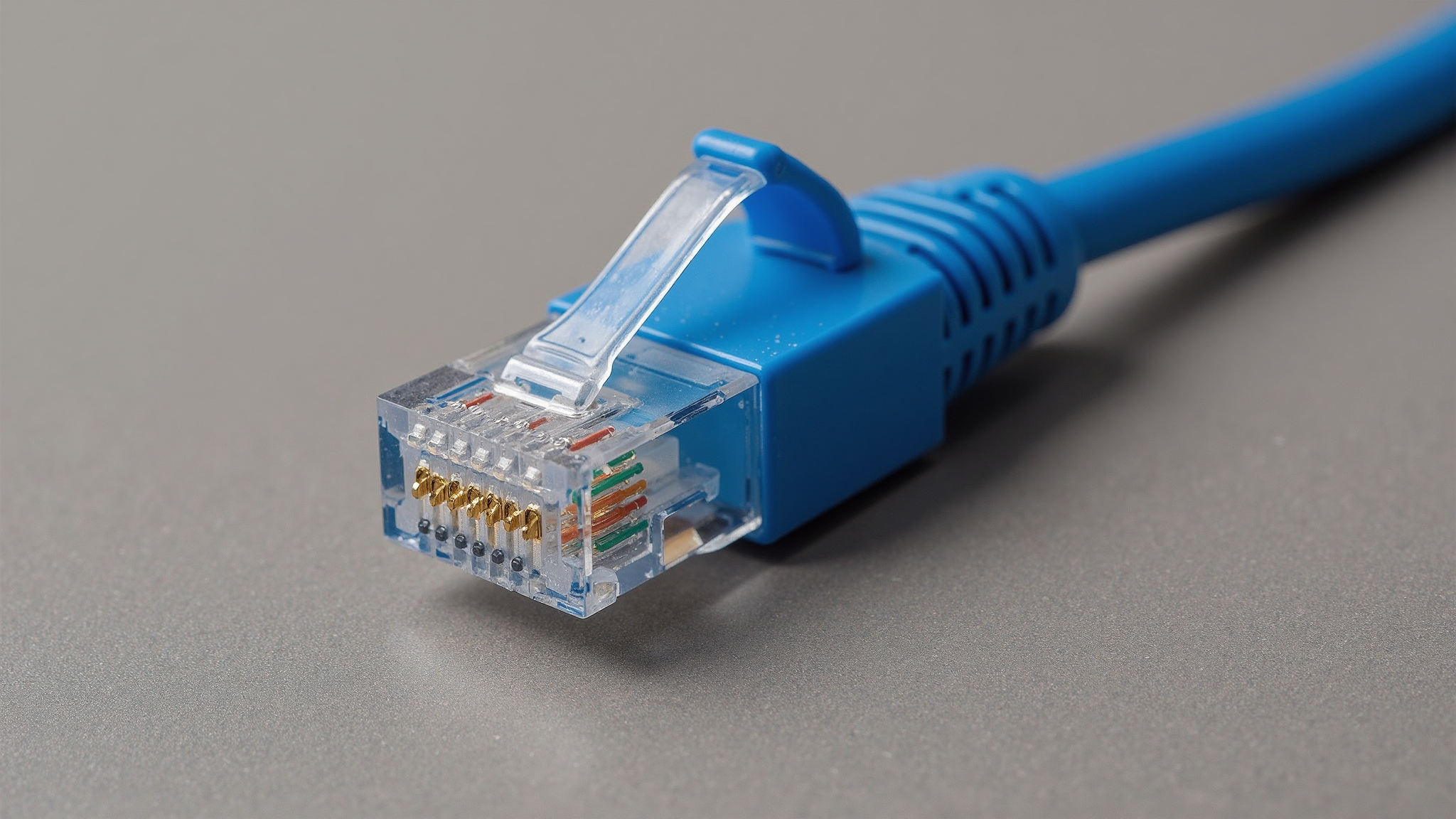
A CAT5A Ethernet cable is a twisted-pair copper cable that carries data across local area networks. Four pairs of insulated copper conductors are twisted at different pitches, so the signals travelling along them interfere with each other as little as possible. That construction is what makes reliable Ethernet possible over long runs inside offices, factories and data rooms, and it is why the same cable type can serve both everyday networking and industrial control traffic.
Benefits of Choosing a CAT5A Cable
For most buyers the appeal of a CAT5A cable comes down to a handful of practical advantages that show up on installation day and years afterwards.
- Stable data transmission — balanced twisted pairs keep crosstalk and noise low, so packets arrive intact instead of being retransmitted.
- Straightforward installation — the cable is flexible and easy to terminate, which keeps pulling and patching quick.
- Cost effective — it delivers dependable performance at a lower material cost than higher categories.
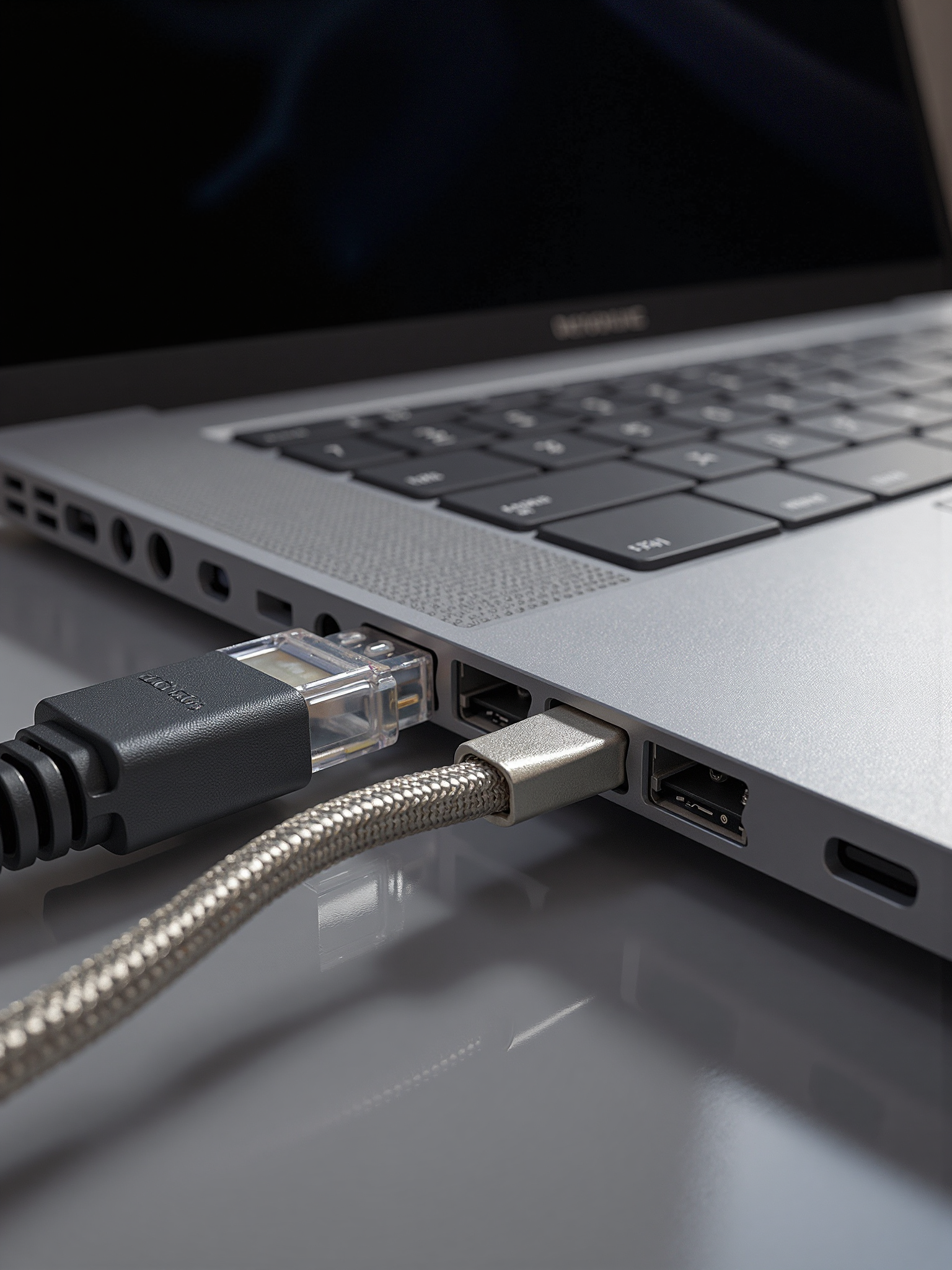
- Wide compatibility — it works with standard RJ45 connectors, patch panels and switches.
How It Compares with Other Cable Categories
Buyers often ask whether they should step up to a higher category. The honest answer depends on distance, speed requirements and the environment the cable has to survive.
Bandwidth and distance
Higher categories add bandwidth headroom and support faster links over longer channels. A CAT5A cable is still a sound choice for typical office and control networks where the runs are moderate and the required data rates fall within its published limits.
Cost and installation effort
Stepping up a category raises both the cable price and the care required during termination. If the network will never need the extra bandwidth, that spending buys little. If it will, or if the cable is being pulled behind finished walls, the extra headroom is usually worth it.
Making the Choice
Match the cable to the job. Where runs are short and speeds are modest, a CAT5A Ethernet cable gives dependable service at low cost. Where you expect 10Gbps links, dense PoE loads or years of future demand, plan for a higher category from the start. Our engineers are happy to review your topology and recommend the cross-section, shielding and category that fit it.